海绵宝宝
China publishes world’s first comprehensive dictionary of ancient bamboo and silk manuscripts_我的网站

A | 杭州日报讯 二十载法治深耕,二十载善治笃行。
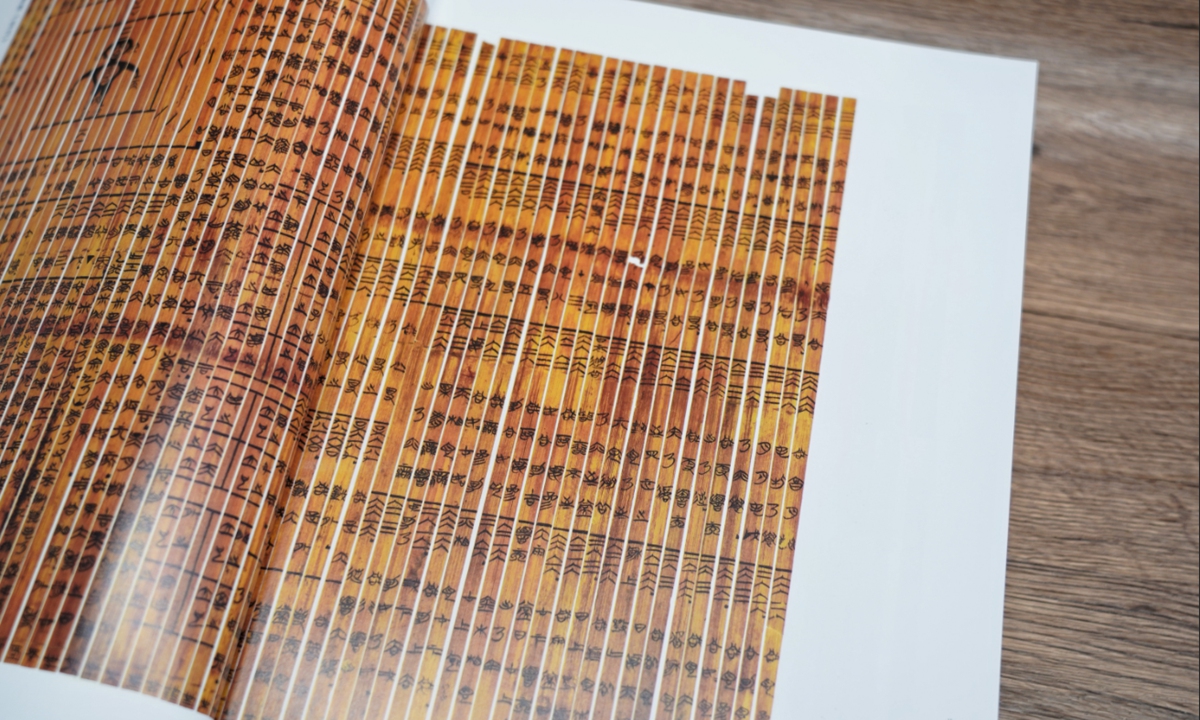
Photo: Courtesy of the Shanghai Lexicographical Publishing HouseChina has unveiled the world's first comprehensive reference dictionary for the study of ancient bamboo and silk manuscripts, a discipline that has grown from early 20th-century archaeological discoveries into an international field spanning archaeology, history, law and paleography. Experts said this publication has closed a century-old academic gap in systematic scholarship in one of East Asia's most vital ancient textual disciplines.
Published by the Shanghai Lexicographical Publishing House, the
Dictionary of Bamboo and Silk Manuscript Studies is the world's first large-scale, authoritative lexicon to fully systematize global research on China's ancient bamboo slips, wooden tablets and silk manuscripts, the publishing house told the Global Times on Monday.
"Before paper was widely adopted, bamboo and wooden slips were China's most crucial carrier of writing, bearing the inheritance of Chinese civilization for thousands of years," Feng Shengjun, chief editor of the dictionary and vice president of the Chinese Society for the Study of Ancient Writing, told the Global Times.
"Major excavations of bamboo and silk relics have always been groundbreaking events in academic circles. By sorting out and interpreting these precious unearthed documents in a standardized dictionary form, we make the historical development of Chinese civilization clearer and more complete," Feng added, underscoring the book's foundational academic and cultural value.
The dictionary contains more than 9,000 entries and over 600 color illustrations and images. Entries cover the theory of bamboo and silk manuscript studies, excavated texts, manuscript forms and institutions, scholars and works, and preservation and research.
Before paper became widespread, bamboo and wooden slips, along with silk fabrics, were the principal writing materials in China. Originating in the early 20th century with the discovery of Dunhuang bamboo relics, the field has evolved into an internationally recognized scholarly frontier. It integrates archaeology, ancient history, legal systems, paleography, document conservation and multiple other sectors, fueled by successive landmark discoveries including the Shanghai Museum bamboo texts, Tsinghua University bamboo slips, Yuelu Academy Qin Dynasty (221BC-206BC) manuscripts and the famed Mawangdui silk documents, said the publishing house.
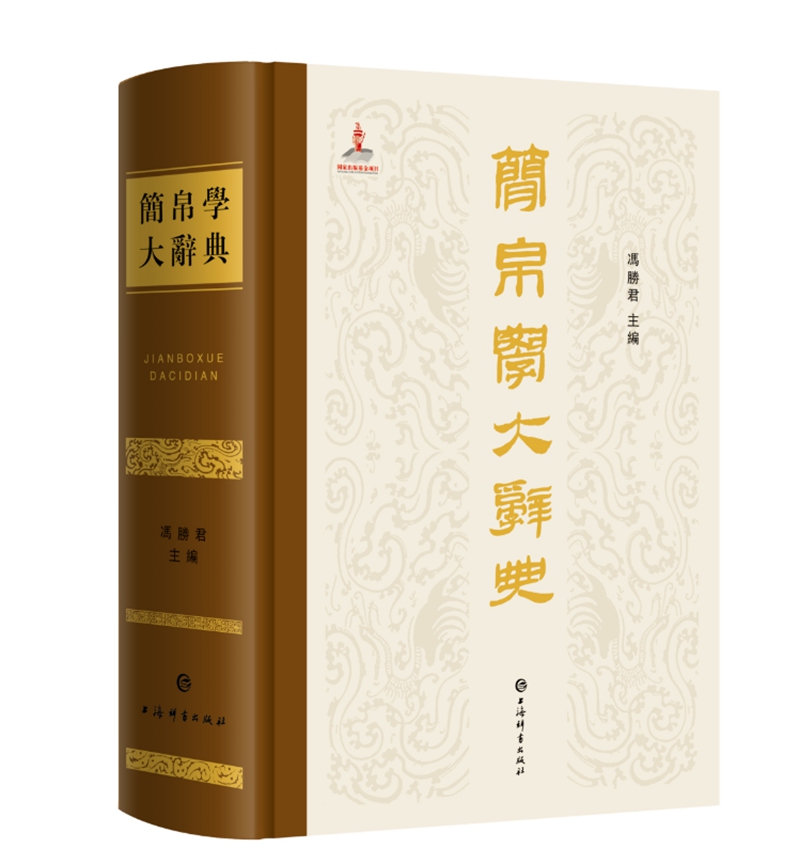
Photo: Courtesy of the Shanghai Lexicographical Publishing HouseFor generations, the fast-growing global discipline lacked a comprehensive, standardized specialized dictionary. More than 60 specialists took part, drawing on the latest Chinese and international research and working through multiple rounds of drafting, editing, review and final revision.
Zhao Hang, editor at the publishing house, told the Global Times that the volume comprehensively incorporates research achievements and academic works by Japanese and South Korean scholars, making it an important resource for foreign scholars who study bamboo and silk manuscripts.
It is intended for specialists, early-career researchers and general readers interested in early Chinese history. The entries range from theoretical concepts to biographies of leading scholars and descriptions of major excavation sites, with cross-references designed to help readers move across disciplines.
Feng said the volume will support research into the politics, laws, economics, military affairs, thought, science and technology, ethnic groups and social life of ancient China. It will also help standardize terminology across different scholarly traditions.
The publication is part of broader state-backed efforts to advance ancient script research and document the continuity of Chinese civilization. It aims to help make texts written more than 2,000 years ago "core material evidence" for interpreting a continuous 5,000-year Chinese civilization. For the field, it added, the dictionary is a landmark in a century of bamboo and silk manuscript studies.
。回望法治杭州建设二十年的壮阔历程,拱墅区持续推进基层治理法治化,因地制宜开展系列法治创新实践。长庆、上塘便是极具代表性的缩影:长庆街道在1.39平方公里的“螺蛳壳”里精雕细琢,以“精治”守护老城烟火;上塘街道在9.6平方公里的运河之畔链式破局,以“链治”激活善治动能。一南一北,两种路径各有侧重、互补赋能,共同勾勒出法治拱墅的生动图景。长庆街道 “精治”方寸间,老城街巷的法治绣花功面积仅1.39平方公里的长庆街道,是杭州市辖区面积最小的街道之一,这里藏着全国首个楼道党支部,实现了省级以上“枫桥式”站所全覆盖,全省首个街道综合行政执法改革试点也在此扬帆起航。老旧小区多、专业市场多、商务楼宇多、小微商户多的“四多”特征交织,治理密度与难度并重。面对这道考题,长庆的答案就藏在“红色”与“橙色”的颜色密码里。基层治理的根基在楼道,法治建设的活力在末梢。长庆街道将红色“法治基因”深植于每一个治理单元,构建起“街道—社区—小区—楼道”四级治理网格体系,培育了一批扎根基层的法治带头人、法律明白人。

B | 王马社区便是“红色基因”与“法治基因”深度融合的生动样板。作为全国首个楼道党支部诞生地、全国民主法治示范社区,王马社区用上了DeepSeek技术,打造了AI义警“长小义”智能体——这个藏在手机里的“24小时警务顾问”,随时随地为居民答疑解惑。老傅工作室、雪绒花工作室等本土调解品牌也各显神通,2025年党员骨干累计化解各类矛盾纠纷87起,矛盾纠纷总量同比下降27.2%。“红巷义警”队伍日益壮大,警民联动、多方参与的“红巷议事厅”,今年已讨论出15个“金点子”、解决23起“忧心事”。巷子里的安宁,就在这些看得见的人情和摸得着的智慧里,越发厚实起来。如果说红色是长庆法治的底色,那么橙色便是它最暖心的亮色。叠加全省首个街道综合行政执法改革试点、全省首批乡镇(街道)法治化综合改革试点等创新优势,长庆街道立足小店经济集聚的辖区特色,创新打造“小蓝燕”助企执法服务品牌,让执法不仅有力度,更有了温度。在环北丝绸服装城,身着蓝色制服的“小蓝燕”飞进千企百户,为新商户提供一站式开业合规指导,宣讲经营规范、提示法律风险,让初来乍到的创业者不再“摸着石头过河”。2025年以来,街道在原有服务基础上迭代升级,创新推出了涵盖城市管理、市场监管、劳动保障、知识产权等领域的“点单式”法治服务。

C | 企业按需“点菜”,街道精准“上菜”,“小蓝燕”已累计为企业商铺提供合规指导、风险预警、政策解读等精准法治服务125户次,真正实现了管得住、服务好、发展优。“以前总觉得执法就是开罚单,没想到他们上门帮我们规范经营、规避风险,这样的服务暖到了心坎里。”一位环北市场商户感慨道。与此同时,街道创建立体化普法矩阵:线上“空中慕课”直播间、大运河“云”说法课堂开展普法活动200余场;线下聚焦新就业群体创设“5分钟普法课堂”,法治地图定向赛、法治游园会等沉浸式体验让法治知识可感可触、法治文化润物无声。上塘街道 “链动”万家安,运河之畔的共治同心圆运河之畔的上塘街道,9.6平方公里土地上集聚高校、商圈、新业态主体,承载约10万常住人口、1.9万经营商户。回迁安置小区多,流动人口多,群众诉求繁杂,治理场景复杂多元。街道以“链”式思维破局,创新打造“和塘悦社1788”社会治理联盟,走出一条多元联动、数字赋能、文化润法的特色善治之路。“1788”,谐音“一起帮帮”——这个接地气的名字背后,是一套实实在在的治理架构:1个联盟统筹,7个驿站赋能,8支队伍支撑,8项服务兜底。联盟将社区、商户、社会组织、公益律师、志愿者等多元力量纳入协同网络,变部门“单兵作战”为全域“集团共治”。街道联合杭州电视台西湖明珠频道成立全市首批新时代媒体解纷中心,通过专家讲授、媒体实训、案例解剖等形式建强多元共治骨干队伍。

D | 2025年全年化解各类矛盾1319件,调处成功率100%。假山路社区的背街小巷改造,就是联盟共治的生动注脚。改造前,坑洼杂乱的路面让居民叫苦不迭,但施工扰民、改造后效果好不好也让不少人顾虑重重。为此,联盟搭建协商平台,组织十余场居民座谈会,推行“居民提需、联盟落地”,前置普法厘清权责。如今,路面规整、商户经营有序,融入非遗元素的烟火墙绘成了居民休闲打卡的好去处。“以前担心改不好,现在出门就是风景,连亲戚都羡慕我们住在这儿!”居民李大爷笑着说。共治的链条之外,数智的力量也在为治理赋能。街道深化诉源、警源、访源“三源共治”,依托社区治理联合会试点,打造“线上平台+网格巡查+无人机巡航+智能技防”立体化数智治理矩阵。瓜山社区推行人机协同联巡,织密街面平安防护网;蔡马社区布设高空抛物智能监控,有效破解高层邻里治理顽疾。依托1788双线服务热线和“协商铃”应用,建立秒级响应、限时办结、全程回溯的闭环机制,实现小事网格就地化解、难事联盟联动攻坚。今年抗击台风“巴威”期间,瓜山社区以“人防兜底+智防提效”模式,通过无人机排查地面盲区隐患,实现树木倒伏、路面积水等问题快速处置、闭环清零。硬治理有了数智支撑,软浸润则靠文化生根。以全国民主法治示范社区蔡马社区为核心阵地,上塘街道打造了沉浸式法治文化公园。居民在散步遛弯间,就能看到法律知识展板、典型案例介绍——“饭后散步就能学点法律知识,这样的普法接地气。”住在附近的陈大伯是法治步道的常客。

E | 常态化开设法治讲堂,依托“共享法庭”让专业法律服务直达基层,组织“法律明白人”深耕楼栋网格宣讲,持续培育群众办事依法、遇事找法、解纷靠法的行动自觉。法治的春风,就这样浸润着运河街巷的每一处角落。法治杭州的拱墅答卷如果把基层治理法治化比作一道题,长庆和上塘各自书写独具特色、成效显著的善治答卷。长庆在方寸之间雕琢善治,用红色根脉守护老城烟火;上塘以1788联盟串联万家,用链式思维破解复合片区难题。两种路径,殊途同归——它们回答的是同一个时代命题:当城市治理的针脚越织越密,法治如何成为那根串起千头万绪的“金线”?当法治不只是挂在墙上的标语,还是嵌入街巷肌理的生活方式,老百姓心里便有了那份“遇事找法”的踏实。法治杭州建设二十年,根在基层,魂在民心。长庆和上塘的实践告诉我们:最好的善治,不是管出来的,而是在共建共治共享中长出来的。运河之水奔流不息,拱墅的法治故事,仍在续写新的篇章。

F |
Current article:http://024qfdn.wenwancaomohenenqiongpangshun.bond/news/20260826_462.htm
Published on:11:19:27